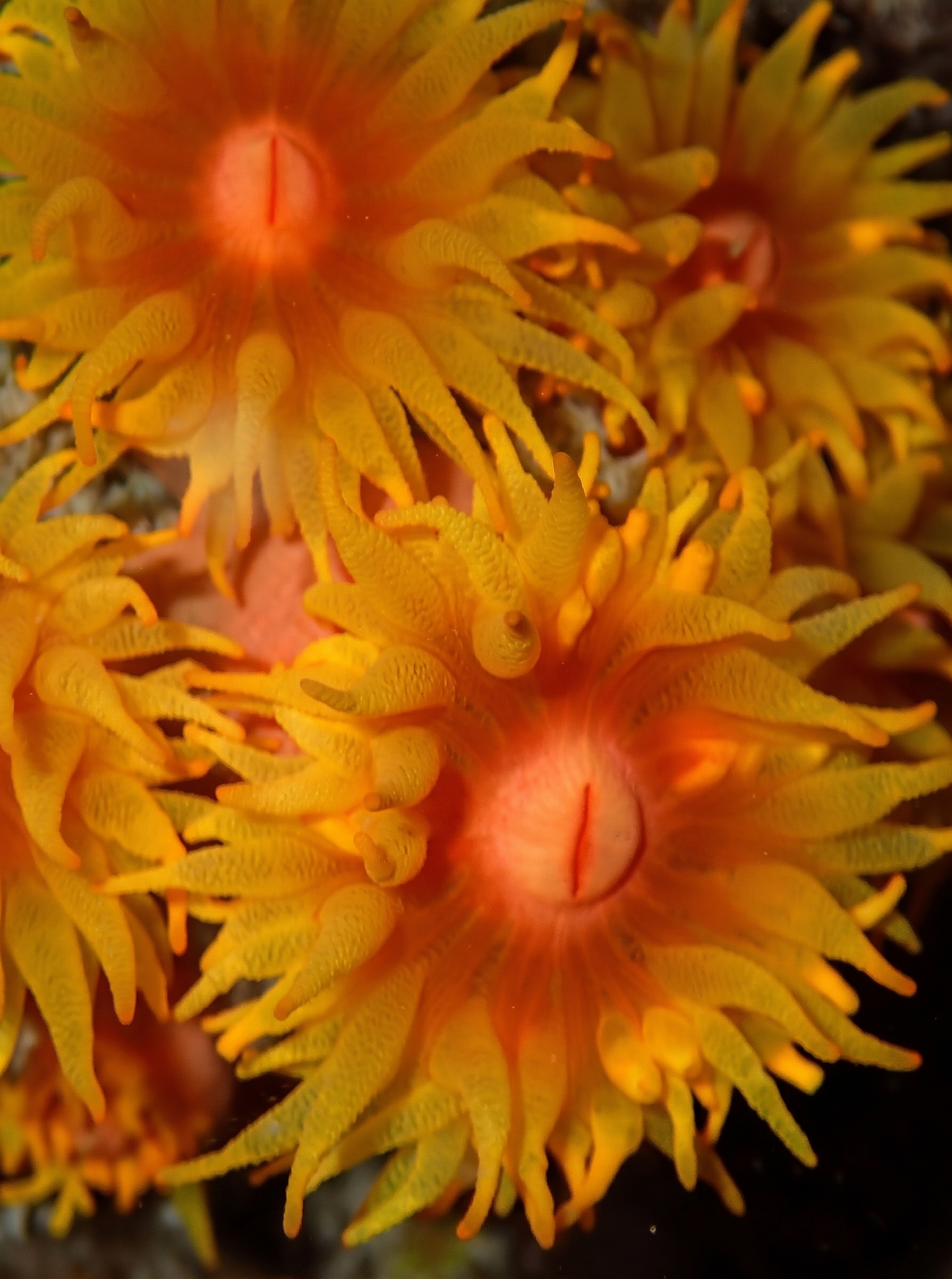
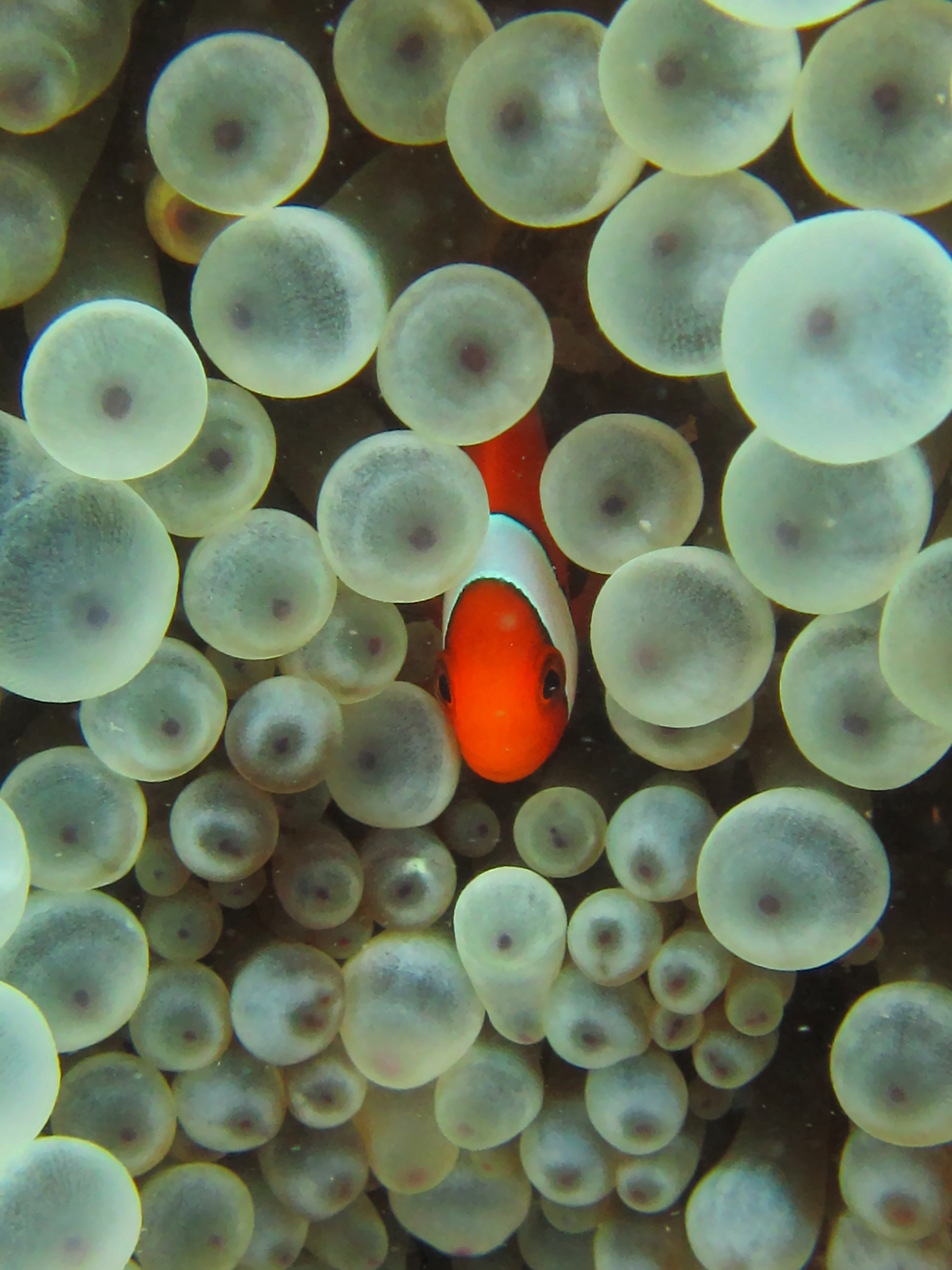
Before the dive log, before the survey numbers, there is a simpler reason this work happens at all.
I came to this work as Nikoi Island's Marine Conservation Officer, but that title was always the smaller half of it. First and always, I think of myself as an environmentalist — someone who believes the biosphere, the planet's life-support system, is the thing that matters most. Earth is a water planet. The ocean is not scenery around the edges of the story; it is most of the story.
The reefs around Nikoi were never going to be "world class" diving. Murky water, a shallow shelf, currents that push and pull all day. But look closely and there is extraordinary life here — and extraordinary pressure on it, from fishing, from pollution drifting down from the South China Sea, from the simple fact that a lot of people need to eat from the same water.
"You only protect what you love."
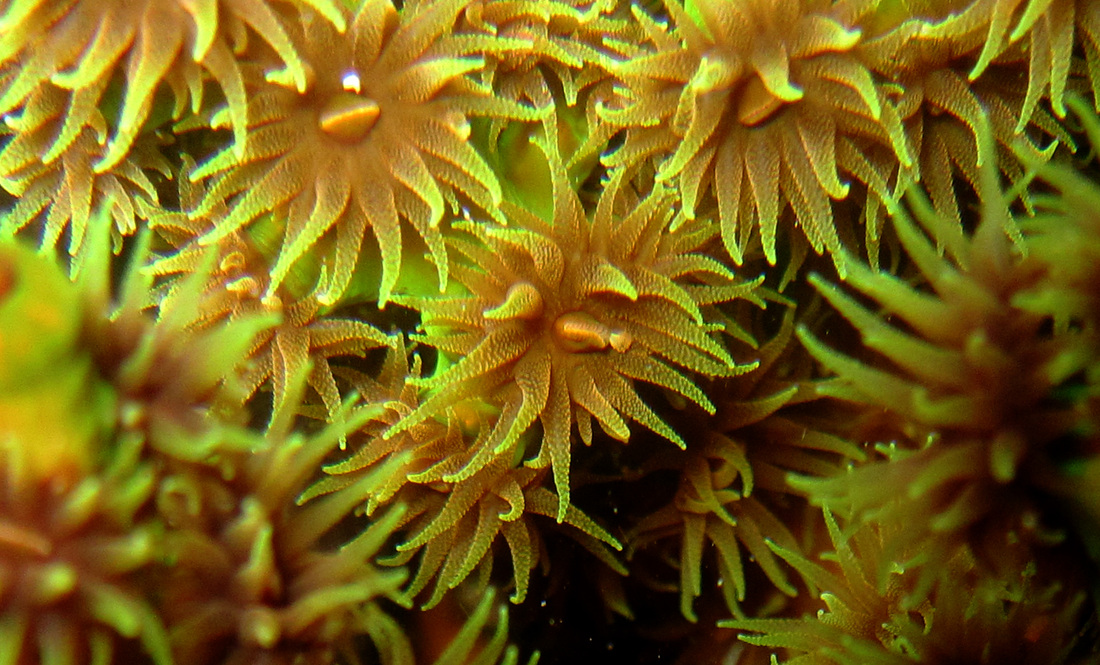
I wrote that line — you only protect what you love — back in 2011, and it has stayed the closest thing I have to a mission statement since. Surveys and no-take zones and mooring blocks matter, but none of it holds without people who have actually fallen for the place: the fishermen who stopped using live coral as bait because they'd come to respect what it was, the students who show up for a field survey instead of leaving it to outsiders, a visitor who sees a hawksbill nest for the first time and starts asking questions.
That is the real work of a project like this one — not just cataloguing what is out there, but giving people a reason to love it enough to keep it. This site exists to do that for Nikoi, and now, as the work widens, for Cempedak and the rest of this stretch of the Riau Archipelago too.
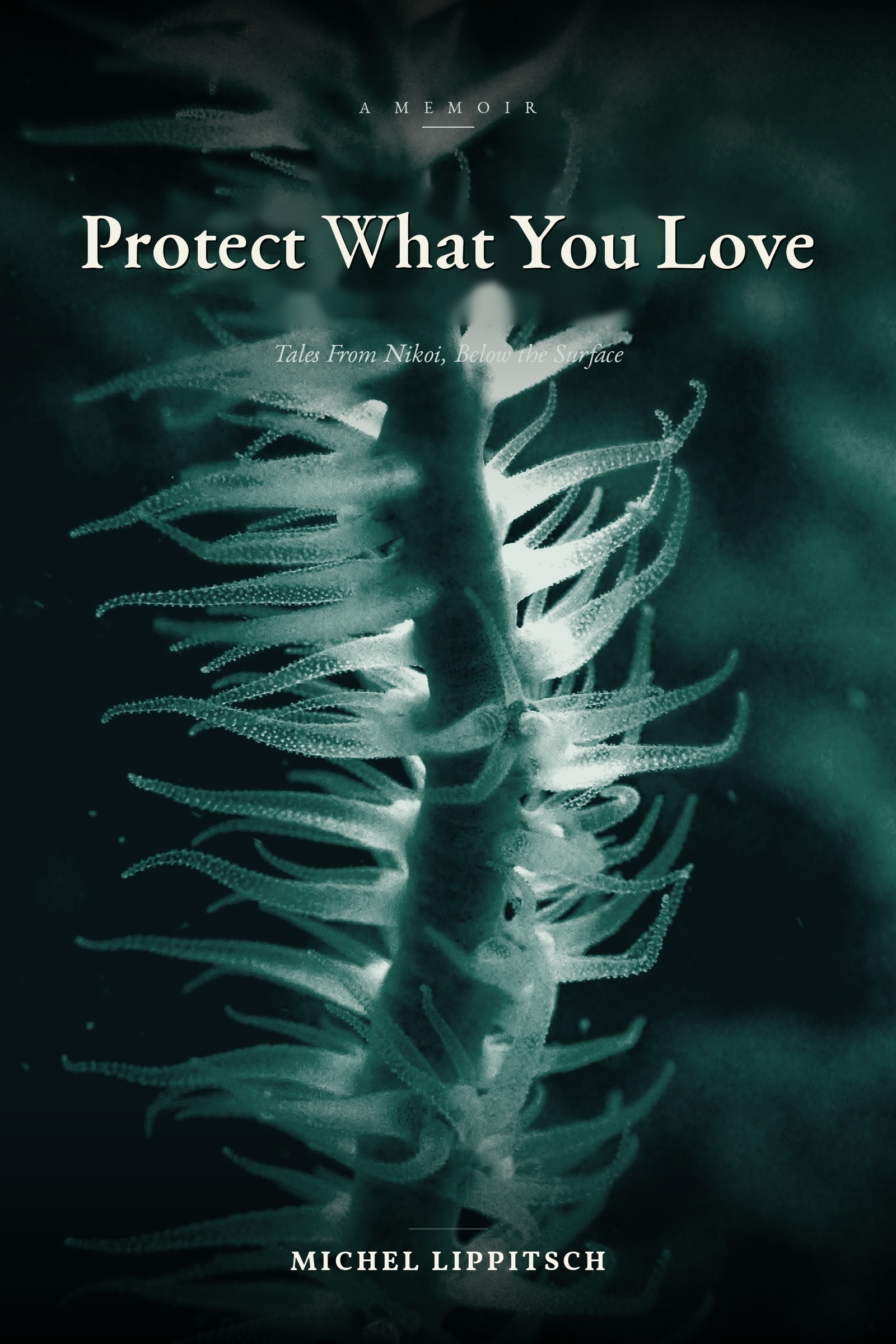
This site takes its name from a book — Protect What You Love, the fuller telling of everything here: the reef survey, the fishing community, the turtle program, and the years of getting some of it wrong before getting more of it right. It's a memoir, not a report — written the way I'd actually tell it to someone sitting across from me.